
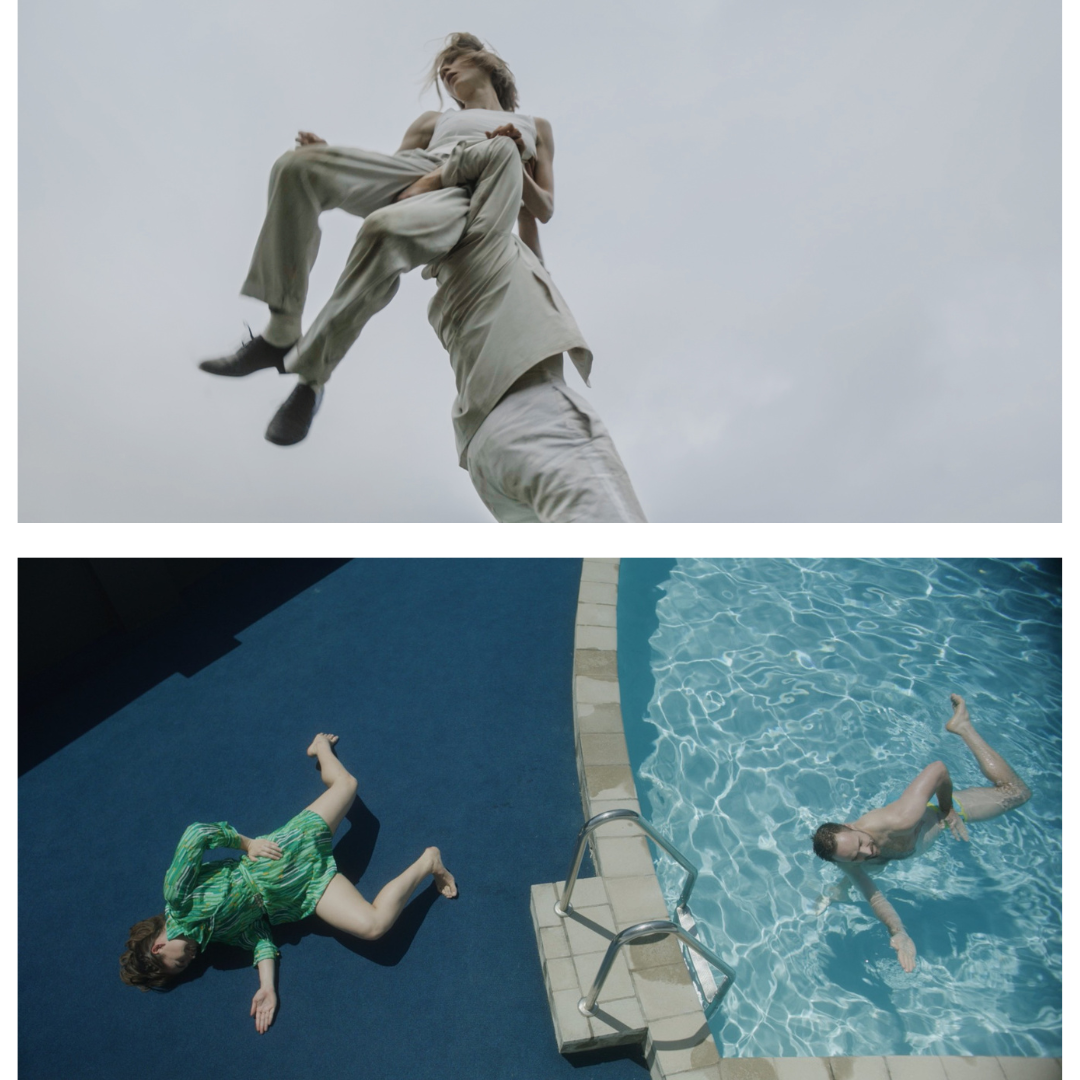
Moving images, moving bodies. Movement and film just go together. From the early experiments of artists like Loie Fuller and physical comedians like Charlie Chaplin, to the lush spectacle of the movie musicals of the 1930s and 40s starring dancer/choreographers like Bill “Bojangles” Robinson and Fred Astaire, to the avant-garde movement with the likes of Maya Daren and Merce Cunningham, to Damien Jalet’s collaboration with musician Thom Yorke and filmmaker Paul Thomas Anderson—moving bodies and the camera have shared an ongoing, dynamic conversation.
ADF’s Movies By Movers is a multi-faceted festival, dedicated to the celebration of conversation between body, movement, and camera. We want to share the collaborative history between the ephemeral art of live performance and the perpetual nature of film. And we love receiving new expressions of these forms from all over the world from artists like you. Students, emerging artists, seasoned professionals, even those who would not consider themselves “artists” but have great ideas find room on our screens to share their craft.
Categories: Professional Shorts (2–15 min.), Professional Features (15-60 min.), films made or with origins in ADF’s Historic Locations (North Carolina, Connecticut, California, and Vermont), 90 second (and under) dance films, and Student categories.
While ADF’s Movies By Movers is, by all accounts, a dance film festival, our definition of dance is broad and includes movement that may test the genre. Modern dance, ballet, jazz, cirque, parkour, skating, butoh, martial arts, and maybe even sports—we will consider it all! We invite you to keep us on our toes, literally, and help us keep pushing boundaries and redefining definitions. We welcome work by students and emerging and established artists. Films of any genre – experimental, documentary, animation, narrative – are welcome, as long as movement (of any genre) is a strong component.
We live at the intersection of movement and filmmaking, inviting site-specific, media-specific work demonstrating thoughtful collaborations between moving bodies and film to apply. In other words, we are not looking for archival footage or documentation of performances but work that highlights experimentation, visual intimacy, and attention to detail.
Submission Deadline: August 2, 2024 | Notification Date: September 2, 2024
Event Date: November 1–3, 2024 at the Chelsea Theater
1129 Weaver Dairy Road, Suite AB Chapel Hill, NC 27514
More details upon acceptance.
Stills from previous films featured: Dwell by Kim Brooks Mata (header image), On Mending by Shawn Fitzgerald Ahern & Emilie Louise Leriche, & SHIFT by Claire Marshall
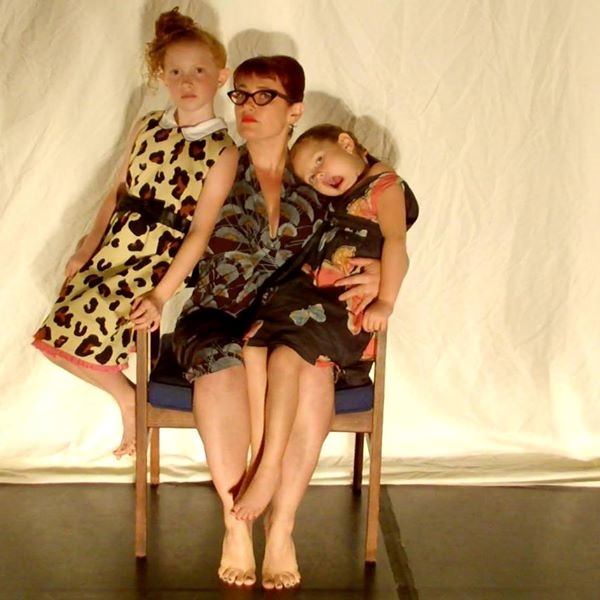
About the Festival Director and Curator
Jennifer Scully-Thurston (Scully) is a choreographer, dance filmmaker, curator, journalist, and video installation artist. She is founder and director of FilmFest by Rogue Dancer, a monthly thematic on-line event devoted to dance. She curates and adjudicates EnCore: Dance on Film, James River Film Festival, and Screen Dance International.
Learn More
Her dance films have been featured in Core Dance presents… REEL ART (commission), ADF Movies by Movers, Golden Earth Film Award (Best Female Director 2021), Direct Monthly Online Film Festival (Best Female Director 2019), DepicT! (Special Mention), and numerous other prestigious international festivals. She has been an administrator with Grasshorse (character animation studio), HOU & ATL Core Dance (performance company), and NC Arts in Action (in-school public dance program) and is currently Manager of Studio Programs and Community Engagement at the American Dance Festival.
About the Adjudicators
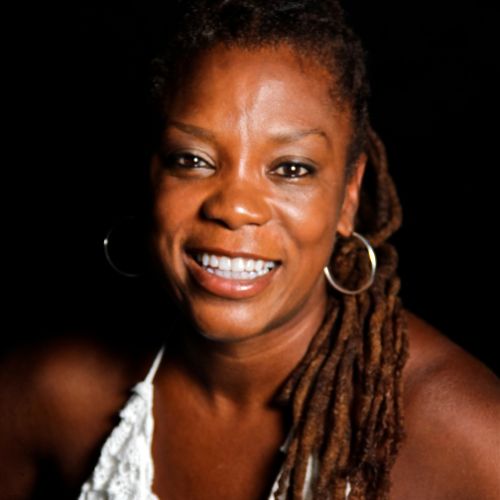
Robin Gee
Adjudicator
Robin Gee holds an MFA in Contemporary Dance Choreography and Performance from Sarah Lawrence College and specializes in African, Caribbean, and modern dance techniques. She is a Professor at UNC Greensboro where she teaches African and modern dance as well as the Screen Dance curriculum. Her choreographic works have appeared in the North Carolina Dance Festival, Dumbo Arts, and Philadelphia Fringe Festival.
Learn More
Resident works have been mounted on various colleges and universities around the world. She is the recipient of the West African Research Association’s Post Doctoral Fellowship in African Research and the Central Piedmont Artist’s Hub Grant for her work on dance and music in West Africa. Most recently she is the recipient of the American Association of University Women’s Post Doctoral Research Award (2006–2007) for her work on The Mande Legacy, a dance documentation project for which she spent six months in Guinea in 2007, and the Fulbright Award for her research in Burkina Faso in 2013. In 2021 Gee was awarded a Fulbright Specialist Award to travel to Cabo Verde to conduct a curricular assessment for inclusion in the Fulbright Scholars Program. In 2006, Ms. Gee also formed her own company, Sugarfoote Productions, a multipurpose service organization designed to expose communities to the myriad expressions evident in African art and to help local audiences experience the richness of African and Diasporan cultural traditions. Sugarfoote also co-produces the Greensboro Dance Film Festival, a boutique dance film festival screening films from around the world. Ms. Gee’s own dance films, including Wanting (2018), have screened in 27 film festivals worldwide including Aphrodite Film Festival, Indie Boom, Global Film Festival, Central States Indie Fest, L.I.M.P.A Festival, Adirondack Film Festival, Festival InternationalVideodanza, Movimiento de Movimientos, CKF International Festival, PRISMA Dance Fest, Independent Shorts Awards, Frame x Frame Film Festival, Festival International de Vidéo Danse de Bourgogne, NCDF Moving Movers, Screendance in the Landscape (Scotland), and Studio Faire Artists Residence Program (France). Her two latest films are in post-production.
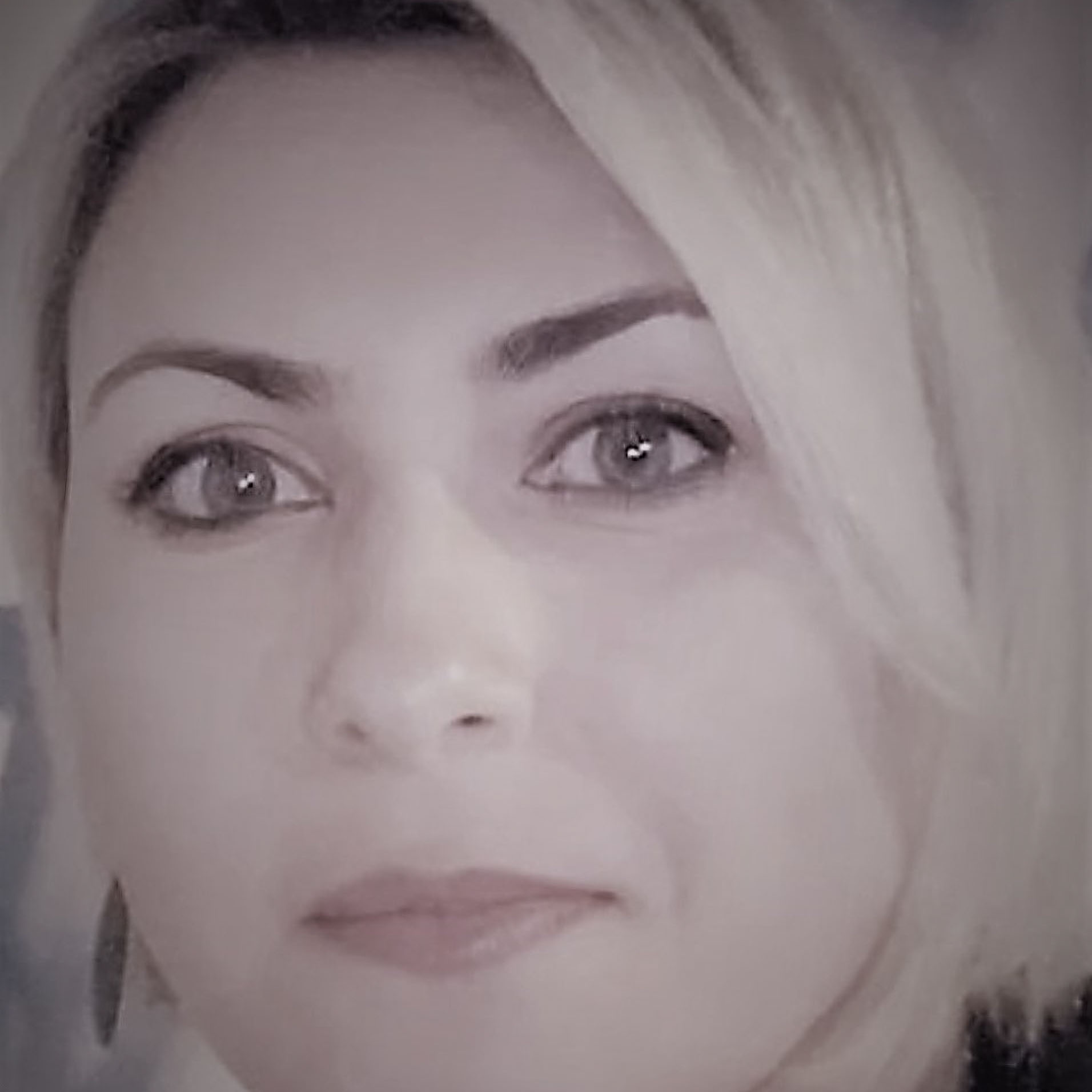
Onur Topal
Adjudicator
Onur Topal has a BFA in dance from Istanbul and an MFA in dance and digital technology from UC, Irvine where she worked with pioneering dance artists such as Donald McKayle, Ismael Ivo, Douglas Dunn, Milton Myers, Yvonne Rainer, Pina Bausch Company member David Zambrano, and many more. She has professionally performed for almost two decades as a dance artist and an independent dance and multimedia artist, producer, educator,
Learn More
and curator. She has staged her original dance, film, and video installation works at many acclaimed festivals and events across Europe, the US, and Asia. Along with Onur’s international curatorial projects, she has been curating and producing dance film screenings in Atlanta and teaching as a visiting artist and lecturer at many acclaimed universities and international festivals around the world. Onur has extensive experience and passion for working with dance and digital technology, organizing and producing events, festivals, and panels, and leading administrative work.
Her most recent interest is exploring the interdisciplinary world of extended reality (XR) technologies, focusing on the interaction and development of the performing arts creations through her national and international collaborations and creative academic research projects. Through extensive networking within the IMMENSIVA 2021 artist residency program and 2022 Arts & Entertainment Atlanta Grant, she created a telematic dance XR project between Atlanta and Istanbul-KARMA Lab, Koç University. Onur is also selected as one of the 2022 Arts Leaders of Metro Atlanta.
She is an active dance teacher and also builds national and international collaborations on creating projection and body mapping and immersive environments for dance performances, virtual reality dance curatorial, and film with XR. She is currently the Creative Director of “NI DO TO” XR Installation project in collaboration with Georgia Tech Fest Center for the Arts and Kambara Yayoi-Kambara+.